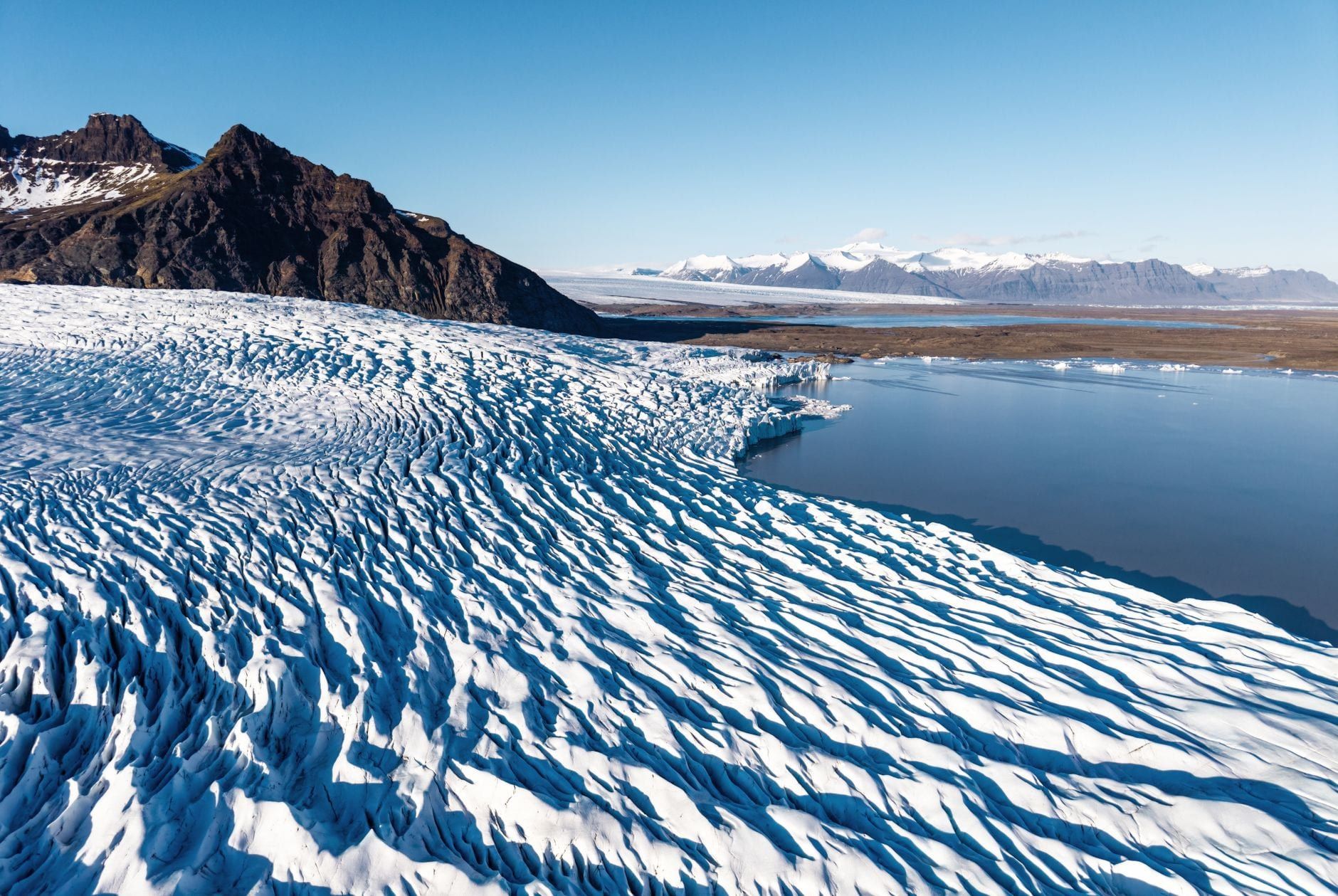
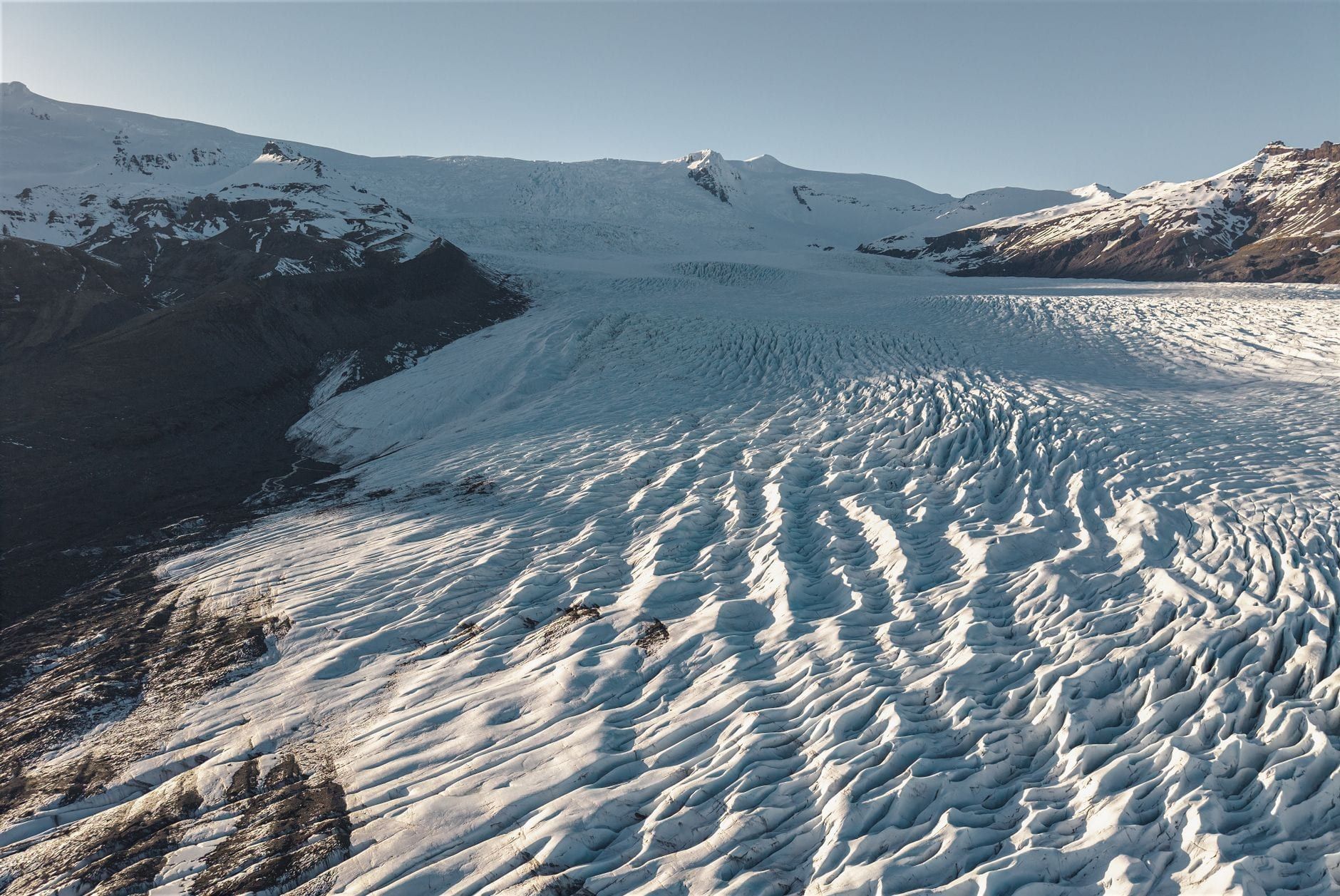
A guided walk across the ice with crampons strapped to your boots, roped to a certified guide, weaving between crevasses and blue-tinted seracs — that's what a Vatnajökull glacier hike actually looks like. Tours run three to eight hours, cost roughly $100 to $180 per person, and start on the outlet glaciers spilling off Iceland's largest ice cap near Skaftafell or Jökulsárlón, not out on the ice cap's remote interior.
Vatnajökull sits a good four to five hours' drive from Reykjavik, so this isn't a quick afternoon add-on the way Sólheimajökull can be. Most visitors fold it into a longer South Coast loop that also takes in Jökulsárlón's iceberg lagoon and Diamond Beach. This guide covers what the hike involves, where to start, how hard it is, and what it costs, so you can book the right tour instead of guessing.
What Is a Vatnajökull Glacier Hike, Really?
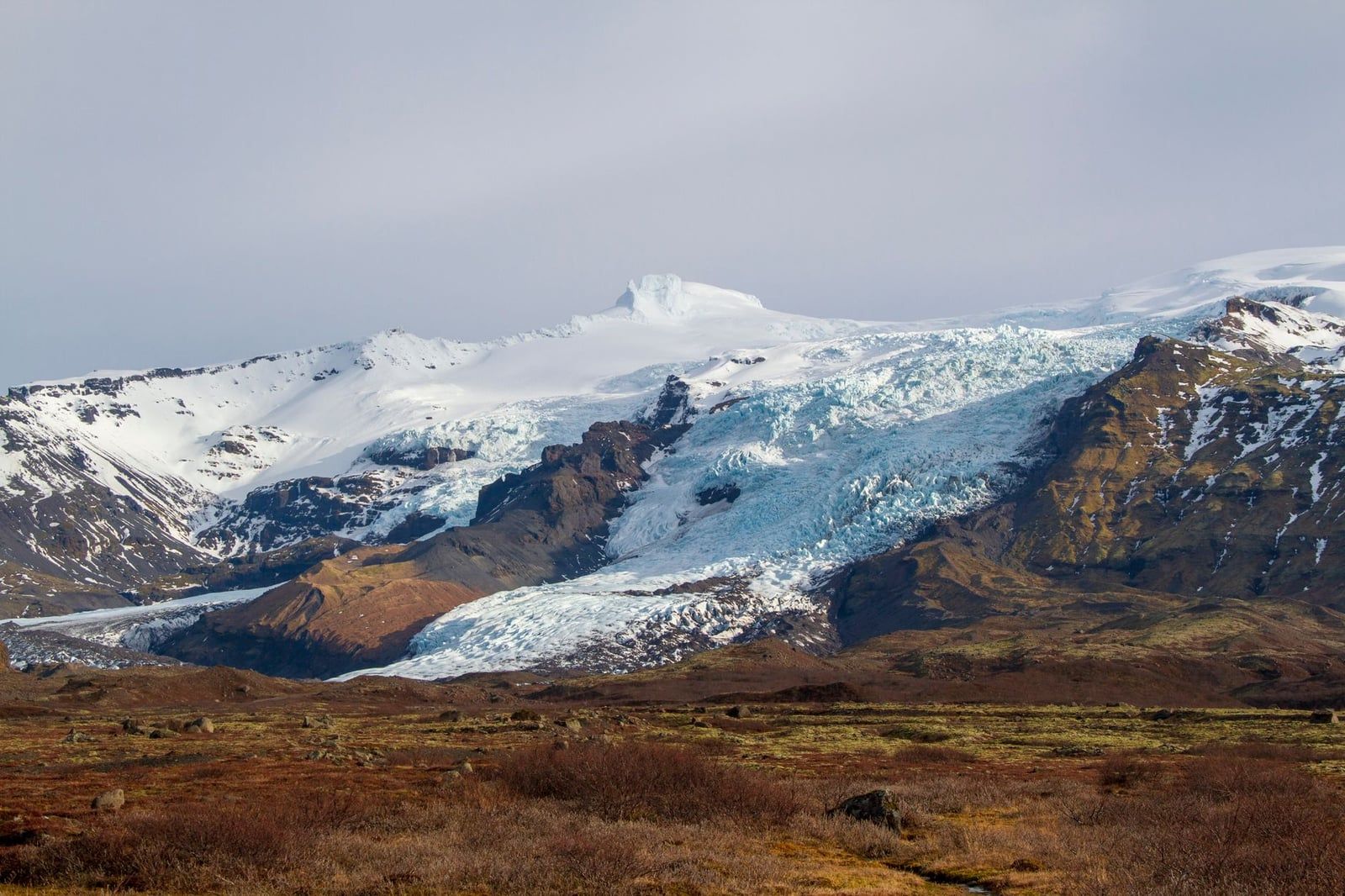
Every commercial glacier hike on Vatnajökull takes place on an outlet glacier — one of the tongues of ice pushing down from the main ice cap into the valleys below. Falljökull, Skaftafellsjökull, and Breiðamerkurjökull are the three used most often; the ice cap itself, roughly 7,700-8,100 km² of it (about 8% of Iceland) and sitting inside Vatnajökull National Park since 2008, stays off-limits to hiking tours entirely. Svínafellsjökull, once a popular route, has been closed since a rockslide risk was identified on the mountain above it.
Guides supply crampons, a climbing harness, a helmet, and an ice axe; you bring your own warm layers and boots. Groups move single file behind the guide along a route re-scouted that same day, over ice averaging 380 metres thick and reaching nearly 950 metres at its deepest. A glacier hike stays on the surface. Ice climbing adds roped, vertical pitches on ice walls, and an ice cave tour goes underneath the glacier into cavities carved by summer meltwater — all three can be booked separately or combined in one day.
Why You Can't (and Shouldn't) Hike It Without a Guide
Crevasses on Vatnajökull average around 6 metres deep and can plunge to 20 metres, often bridged by a thin lid of wind-blown snow that hides them completely. The ice shifts too, moving the safe path across the glacier from week to week, which is why guides re-check the route each morning rather than reuse a fixed trail. Step off that line alone and a snow bridge can give way without warning.
Guides here train to a standard set by the Association of Icelandic Mountain Guides, a framework the company Icelandic Mountain Guides helped establish after it was founded in 1983. They read crevasse depth, ice density, and weather before anyone clips into a rope, and they're trained to run a rescue if a client slips. Park and operator guidance on this is blunt: walking onto the ice or into a cave without a certified guide isn't permitted, and it has caused fatalities elsewhere in Iceland.
Where to Hike on Vatnajökull: Main Starting Points
Three bases cover almost every Vatnajökull hiking tour on offer, and each puts you on a different outlet glacier with its own character and crowd level.
Skaftafell and Falljökull
Skaftafell is the busiest base and the default choice for first-timers. It sits inside Vatnajökull National Park, and most operators here hike Falljökull or Skaftafellsjökull, both reached by a short 4x4 transfer plus a walk-in from the car park. Expect the largest group sizes here, but also the widest choice of tour lengths, from a 3-hour taster to a full-day route.
Jökulsárlón and the Breiðamerkurjökull Area
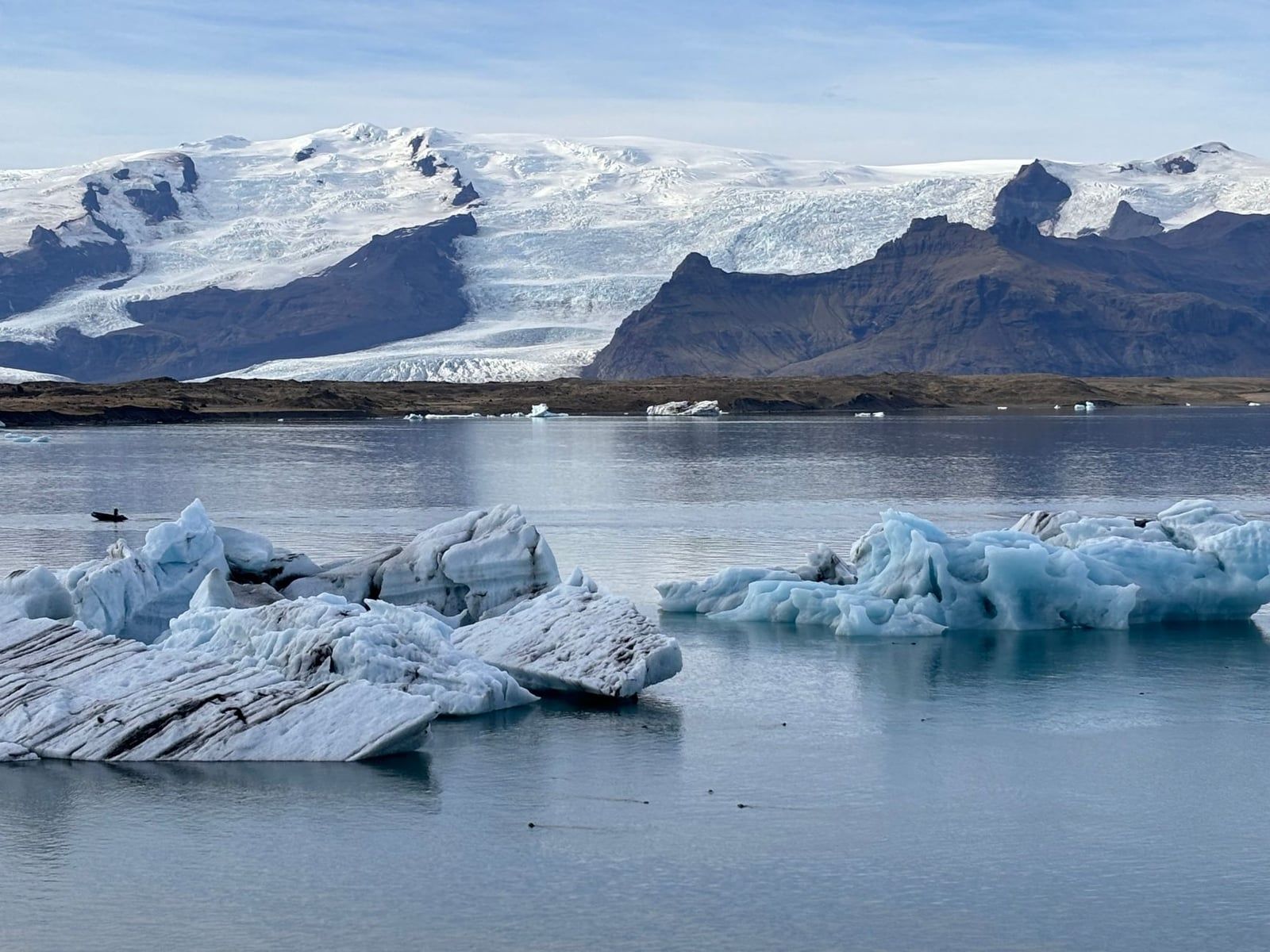
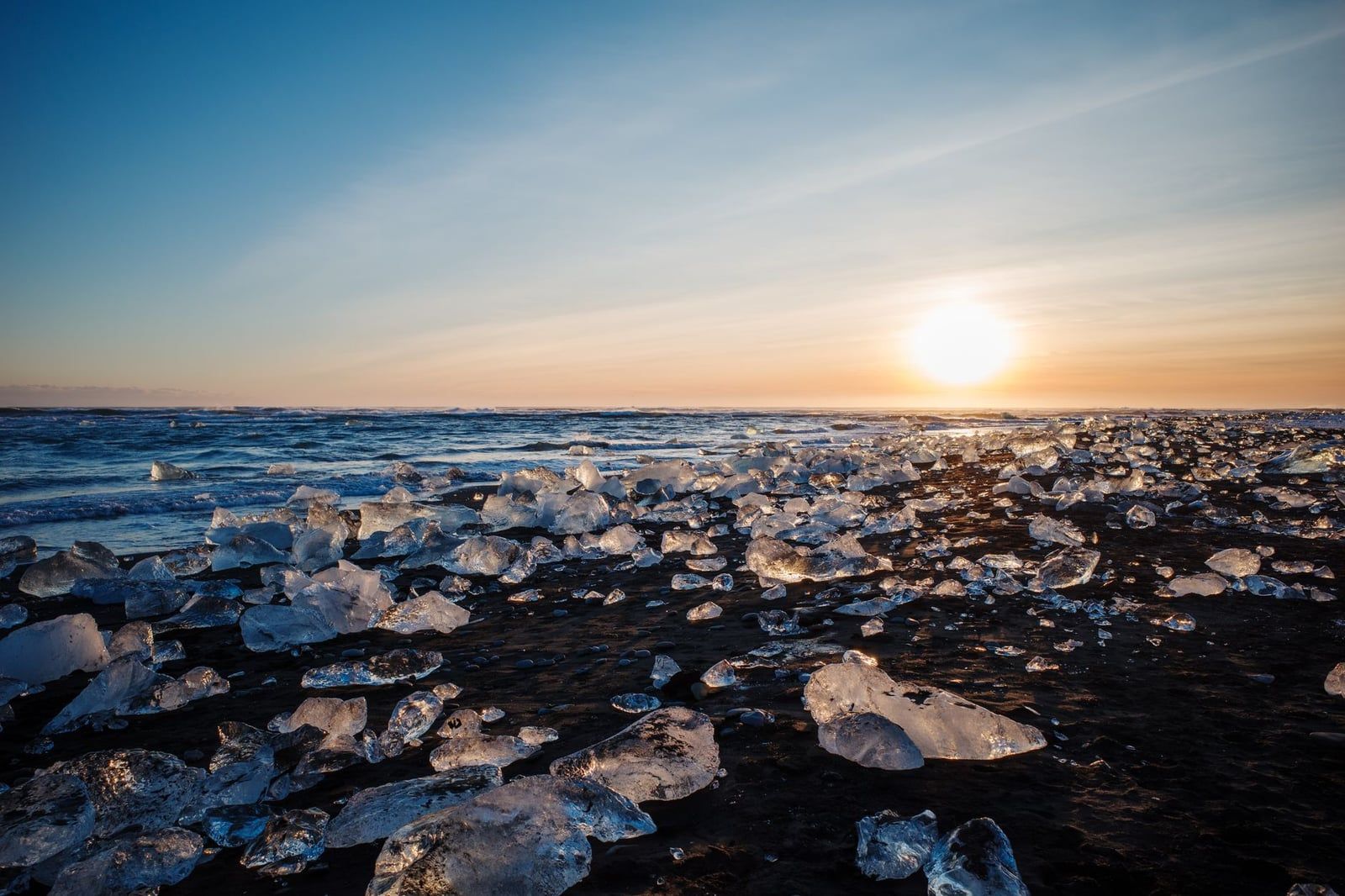
Tours based near Jökulsárlón hike on Breiðamerkurjökull, the outlet glacier that calves the icebergs floating in the lagoon. Basing here lets you combine the hike with Jökulsárlón and Diamond Beach on the same day, since both sit right off Route 1. It's the pick if the lagoon, not the hike itself, is the main reason for the detour.
Hali and Höfn
Höfn, about an hour east of Jökulsárlón, and the smaller settlement of Hali host a handful of quieter operators running trips onto Vatnajökull's eastern outlet glaciers. Groups tend to be smaller, and the drive-in is shorter if you're already overnighting in Höfn, Iceland's self-styled lobster capital. Pick this base if you'd rather skip the crowds at Skaftafell in July.
None of this is a quick trip from Reykjavik. Jökulsárlón sits about 380 km, roughly a five-hour drive, from the capital via the Ring Road route to Vatnajökull, compared with around two to two-and-a-half hours to reach Sólheimajökull. A few operators sell long single-day coach tours from Reykjavik covering 12-14 hours round trip, but most people find it far more comfortable as part of a multi-day South Coast itinerary with a night near Vík or Höfn. If a single day is all you have, book a tour departing from Reykjavik and plan on an early start.
How Hard Is It? Difficulty, Fitness, and Who It Suits
Easy tours, around 3 hours, stick to gentle terrain near the glacier's edge, climb maybe 100 metres of elevation over a short walk-in, and suit anyone in ordinary shape. Moderate or extended tours (4-5 hours) push further onto the ice, spend more time in crampons, and add steeper stretches on the walk-in over moraine. Full-day routes (7-8 hours) go deeper still, covering more distance and demanding real stamina — closer to a long day hike than a stroll.
Minimum ages sit around 8-10 for standard walks; ice climbing and longer routes often push that to 12-15, so check the specific operator if you're traveling with kids. What actually wears people out isn't the ice, it's the walk-in across loose, uneven moraine to reach it, a stretch that's grown longer every year as the glacier retreats. Families and first-timers: book the standard 3-hour walk. Anyone chasing a real workout should look at the full-day options instead.
Choosing a Tour: Length, Price, and Add-Ons
Tour length decides almost everything else — price, group size, how far onto the ice you actually get. Gearing up and the drive to the glacier's edge eat into the clock, so a 3-hour tour often leaves you with only 1.5-2 hours truly on the ice. That's separate from the national park's own parking charge at Skaftafell and Jökulsárlón, listed at Vatnajökull's opening hours and fees, which applies whether or not you hike.
| Tour Type | Total Duration | Time on Ice | Price per Person |
|---|---|---|---|
| Standard glacier walk | About 3 hours | 1.5-2 hours | $100-180 |
| Extended glacier hike | About 4-5 hours | 2.5-3 hours | $140-180 |
| Full-day glacier adventure | 7-8 hours | Most of the day | 20,000-45,000 ISK (about $145-325) |
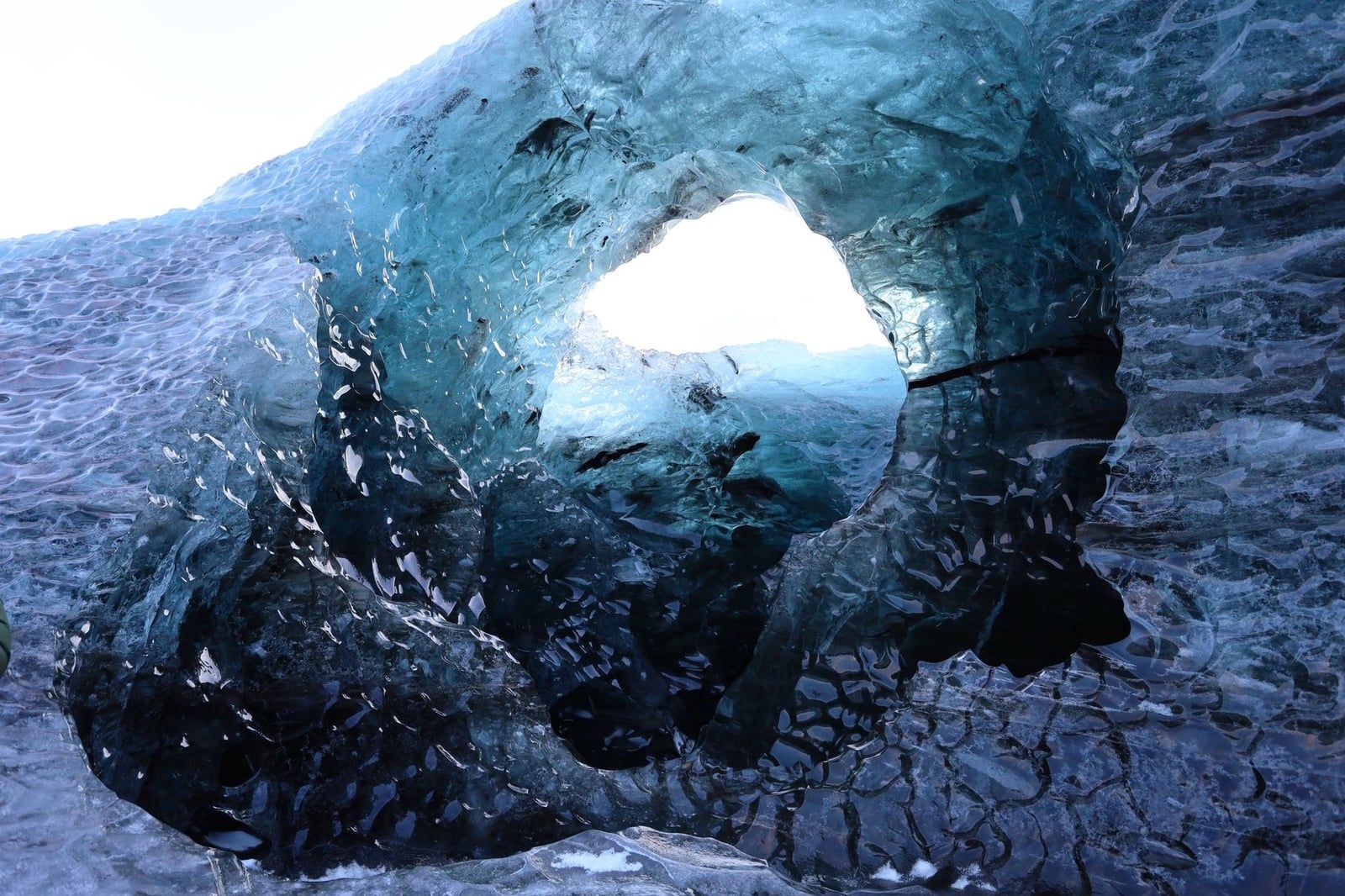
Add ice climbing to a standard hike and a stretch of vertical, roped ice work replaces or extends the flat walking. Add an ice cave and you'll head underneath the glacier instead of over it, though that's only offered roughly November through March, when the ice is cold and stable enough for safe access. Some operators pair a Vatnajökull hike with a kayak or zodiac trip on Jökulsárlón lagoon for a fuller day. Book at least one to two weeks ahead for peak summer dates — popular Falljökull slots sell out early in July and August. Compare the options through Vatnajökull hike tours before locking in a date.
Best Time of Year to Hike Vatnajökull
Glacier walks run year-round, but summer (roughly May through September) gives the softest, most forgiving ice and close to 24-hour daylight for flexible scheduling. Trails feel busier, and this is when the easy grade is at its easiest — a good window for beginners or anyone unsure about crampons.
Winter ice is harder and more slippery, and daylight shrinks to a few hours around midwinter, but it's the only season for natural ice caves, open roughly November through March, with December through February the most structurally stable stretch. Clear winter nights also raise your odds of catching the northern lights on the same trip. Book ice cave tours further ahead in this window, since cave access depends on conditions and space fills fast.
Chasing long days and an easier introduction: go in summer. Chasing ice caves and aurora: go in winter and accept a shorter, colder hike either side of it.
What to Wear and Pack
Operators supply the technical gear — crampons, harness, helmet, ice axe — so your job is the clothing underneath it.
- Base layer plus a warm mid-layer; skip cotton, it stays wet and cold.
- Waterproof, windproof outer jacket and pants.
- Ankle-supportive waterproof hiking boots (rentals often available on-site).
- Warm gloves, a hat, and sunglasses for glare off the ice.
- A small backpack for water, snacks, and a camera in a zip pocket.
Toilets exist at the meeting point but not on the glacier itself, so use them before the transfer out — a 3-hour tour can mean 90 minutes with none in sight. Most companies rent boots and warm layers for a small extra fee if you arrive without them, worth booking ahead in winter when rental stock runs low.
What to Expect Step-by-Step on the Day
Tours start with check-in at a base hut, where guides fit crampons to your boots and clip a harness around your waist, adjusting straps until nothing rubs. A short briefing covers how to walk in crampons, feet apart, flat-footed, before a 4x4 or super jeep runs the group to the glacier's edge.
From the drop-off, you'll cross the moraine and outwash plain on foot to reach solid ice, a stretch that keeps growing as Vatnajökull's outlet glaciers retreat further up the valley each year. Once roped up on the ice, the guide picks a path around crevasses and past blue ice walls and moulins, stopping for photos and, often, a taste of glacial meltwater straight off the surface. The group retraces its steps for the return, and gear comes off back at the hut before the drive back.
Vatnajökull vs Other Glaciers for Hiking
Three glaciers dominate Iceland's hiking-tour market, and they suit different trips.
Vatnajökull
At roughly 7,700-8,100 km², Vatnajökull is Iceland's largest ice cap by a wide margin and pairs naturally with Jökulsárlón and Diamond Beach on the same detour. Its outlet glaciers see fewer people per square kilometre than Sólheimajökull, simply because there's more glacier to spread across, and the terrain, crevasse fields, ice caves, an active volcano underneath, feels more remote and severe.
Sólheimajökull
Sólheimajökull, an outlet of the smaller Mýrdalsjökull ice cap, runs about 10 km long and 2 km wide, a fraction of Vatnajökull's scale, and sits roughly two to two-and-a-half hours from Reykjavik. That makes it Iceland's default Reykjavik day-trip glacier, and its car park fills with tour buses accordingly. Pick it if a single day from the capital is genuinely all you've got.
Langjökull
Langjökull, Iceland's second-largest ice cap, is mostly a snowmobile and monster-truck destination rather than a hiking one, thanks to a broad, gently sloped surface with fewer accessible outlet tongues for foot traffic. If crampons and a rope are the point of the day, this isn't the glacier for it.
Two or more days in the southeast: Vatnajökull is worth the extra driving. One day from Reykjavik: Sólheimajökull gets you onto real glacier ice without the road trip.
Climate Change and Why to Go Now (Responsibly)
Vatnajökull's outlet glaciers have been retreating for decades, most visibly at Skaftafell, where the walk from the car park to the ice has lengthened year after year as the glacier pulls back up its valley. Iceland has already lost one named glacier: Ok, in the west, was declared no longer a glacier in 2014 and marked in 2019 with a plaque titled 'A Letter to the Future,' warning that other Icelandic glaciers could follow within 200 years on the current trajectory.
Guides point out the retreat on tours, using old photos or trim lines on the valley walls to show how far the ice has pulled back even in a decade. You help by staying on the roped route, packing out everything you bring, and respecting closures like the one at Svínafellsjökull rather than slipping past a barrier for a photo. None of that requires guilt, just a bit of care, and it's the reason there's still a glacier to walk on at all.
FAQ
Is it safe to hike on Vatnajökull glacier?
Yes, with a certified guide and the right gear. Crevasses can run up to 20 metres deep and hide under snow, which is why guides trained to the Icelandic AIMG standard re-scout the route and rope up every group before setting out.
Can you hike Vatnajökull as a day trip from Reykjavik?
It's possible but tight: Jökulsárlón sits about 380 km, roughly a five-hour drive, from the capital. Most visitors combine the hike with an overnight in the south rather than a 12-14 hour round trip; if a day is all you have, Sólheimajökull, about two to two-and-a-half hours away, is the easier glacier for it.
How long does a Vatnajökull glacier hike take?
Standard tours run about 3 hours total, with roughly 1.5-2 hours actually spent on the ice. Extended tours stretch to 4-5 hours, and full-day options run 7-8 hours for those wanting to cover more ground.
What's the minimum age for a glacier hike?
Most standard walks set the minimum around 8 to 10 years old. Longer hikes or ice-climbing add-ons often raise that to 12-15, so check the specific tour before booking with kids.
How much does a Vatnajökull glacier hike cost?
Expect roughly $100-180 per person for a standard or extended hike, depending on length and season. Full-day adventures and add-ons like ice climbing or an ice cave push toward the higher end of that range or above it.
Do I need hiking experience to do a glacier hike?
No. Guides fit your crampons, teach the walking technique on the spot, and keep standard routes to gentle terrain that suits ordinary fitness. Longer or ice-climbing tours ask for more stamina, but no technical background.
What's the difference between a glacier hike and an ice cave tour?
A glacier hike stays on top of the ice, walking in crampons across the surface. An ice cave tour goes underneath it, into cavities carved by summer meltwater, and runs only roughly November through March, when the ice is stable enough to enter safely.
Is a Vatnajökull glacier hike worth it?
For most visitors, yes — the scale and the ice formations are unlike anything else in Iceland. The catch is the drive, so pair it with Jökulsárlón and Diamond Beach on a South Coast itinerary rather than treating it as a standalone errand from Reykjavik.