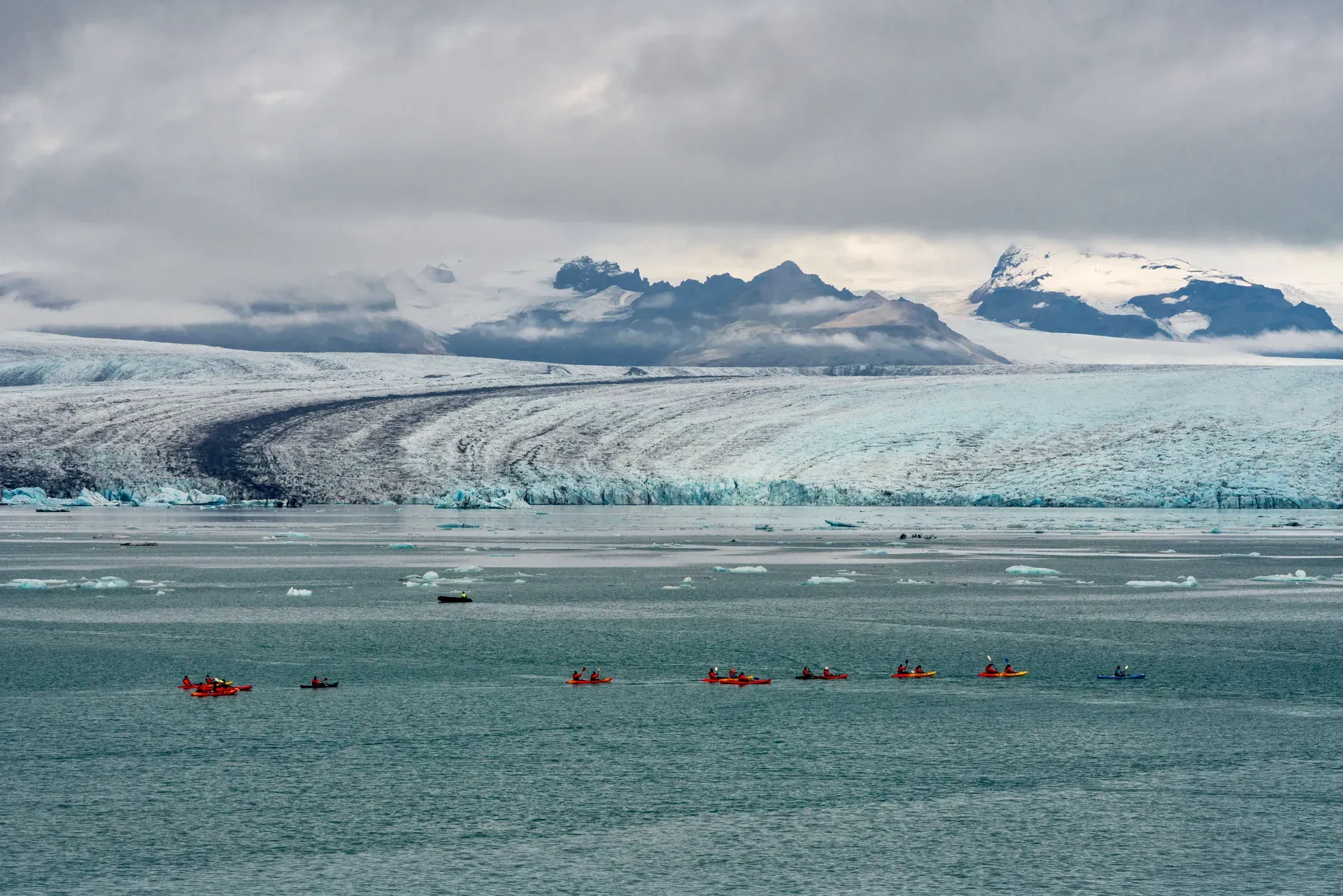
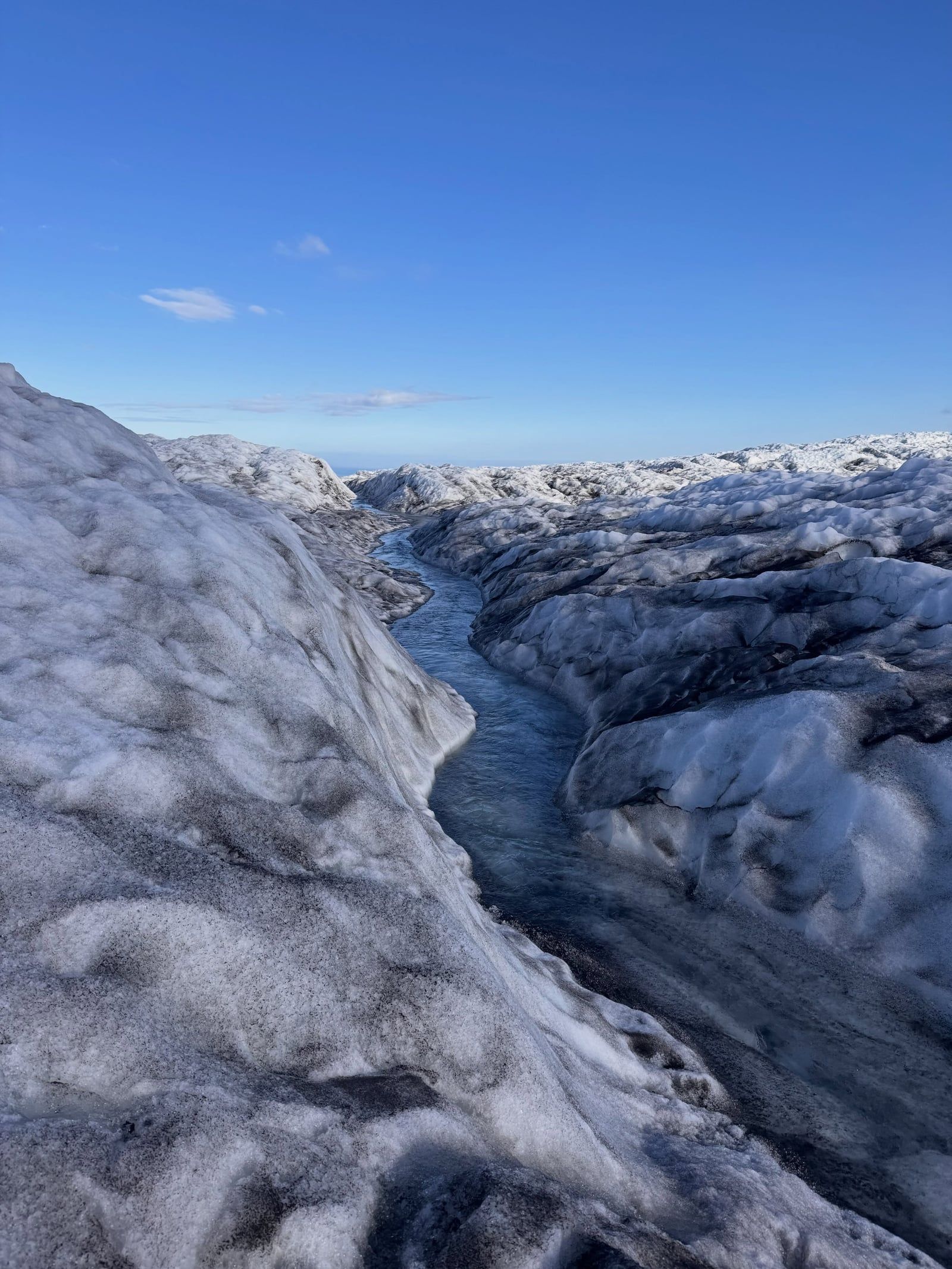
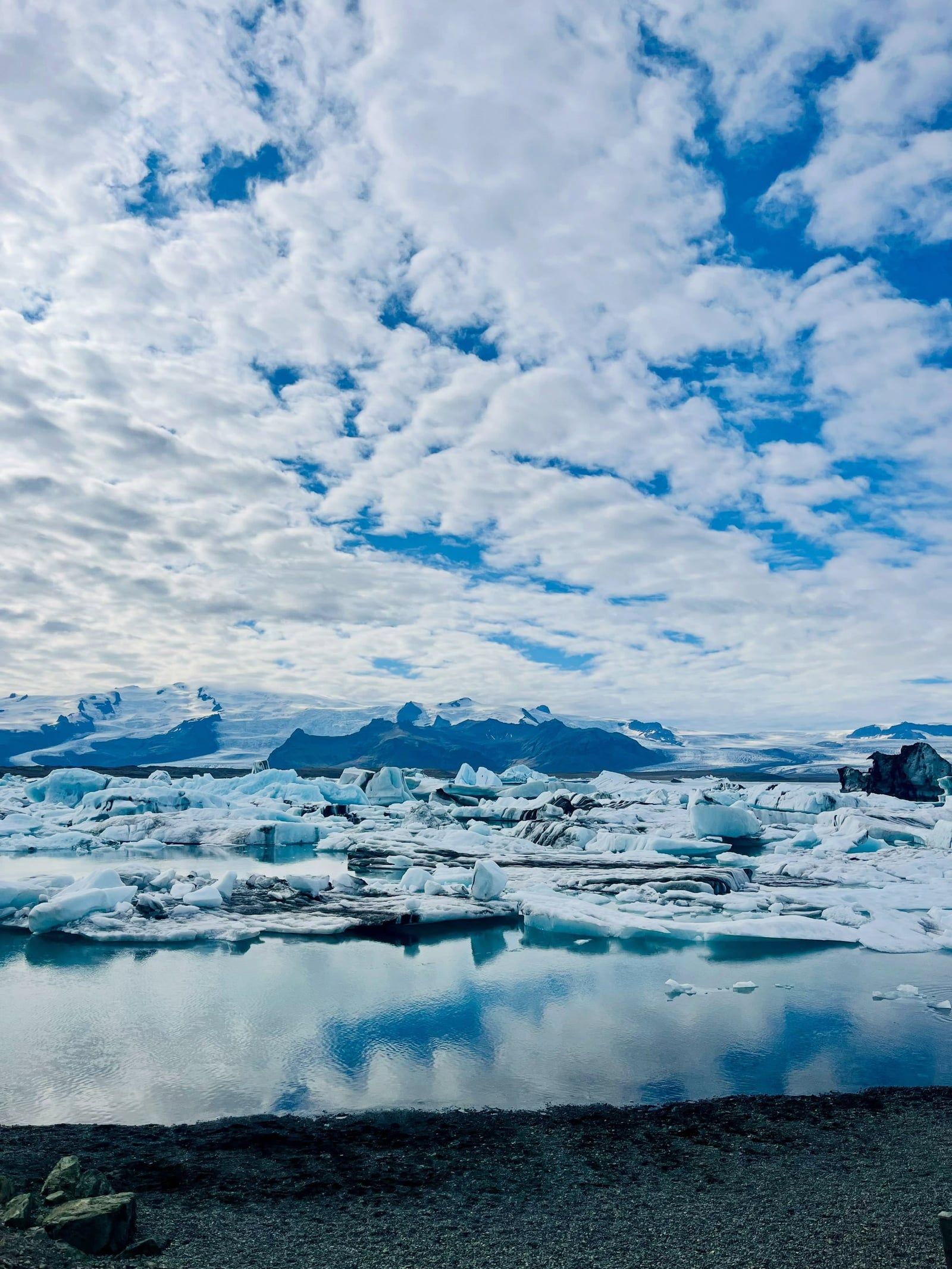
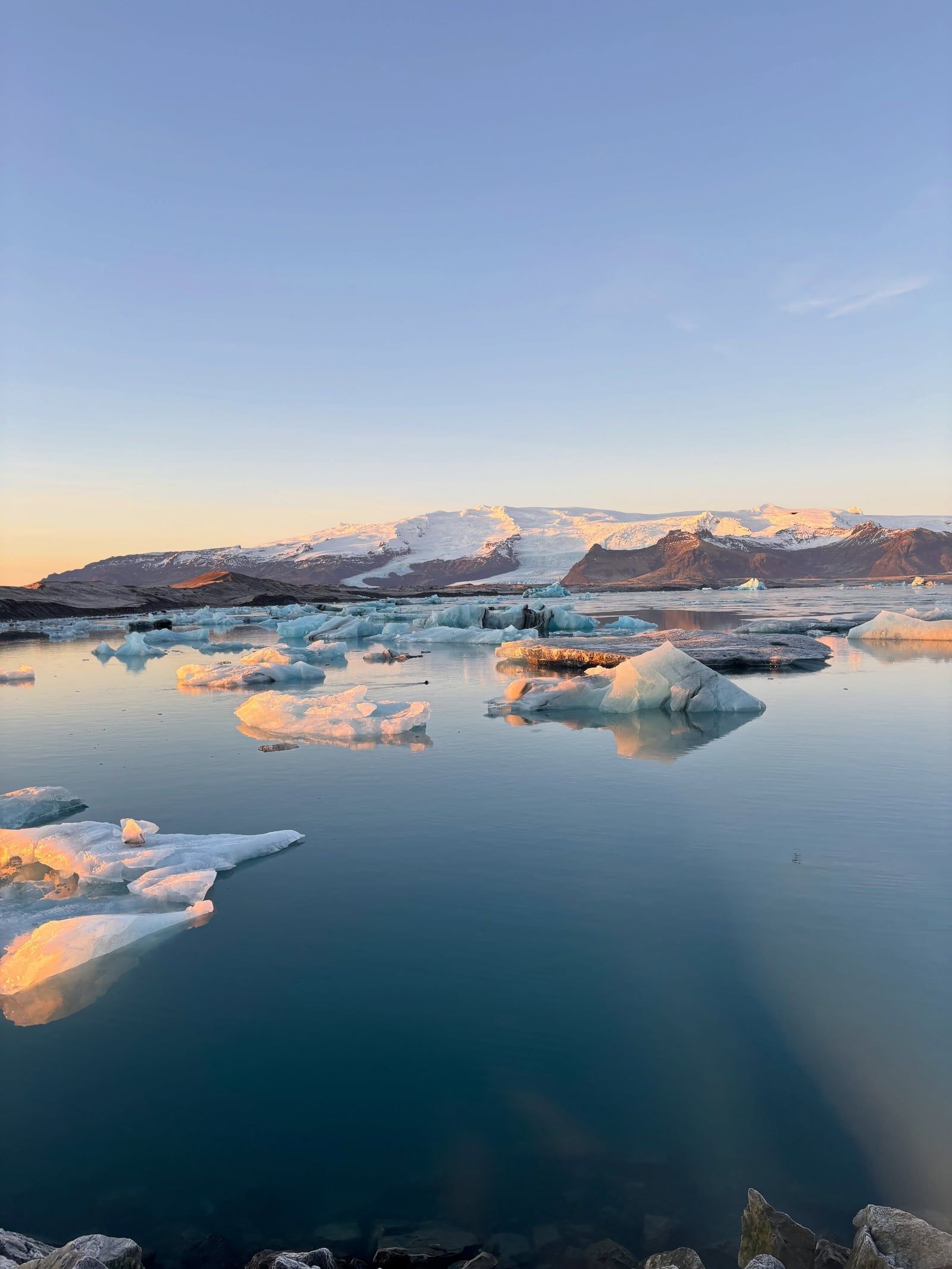
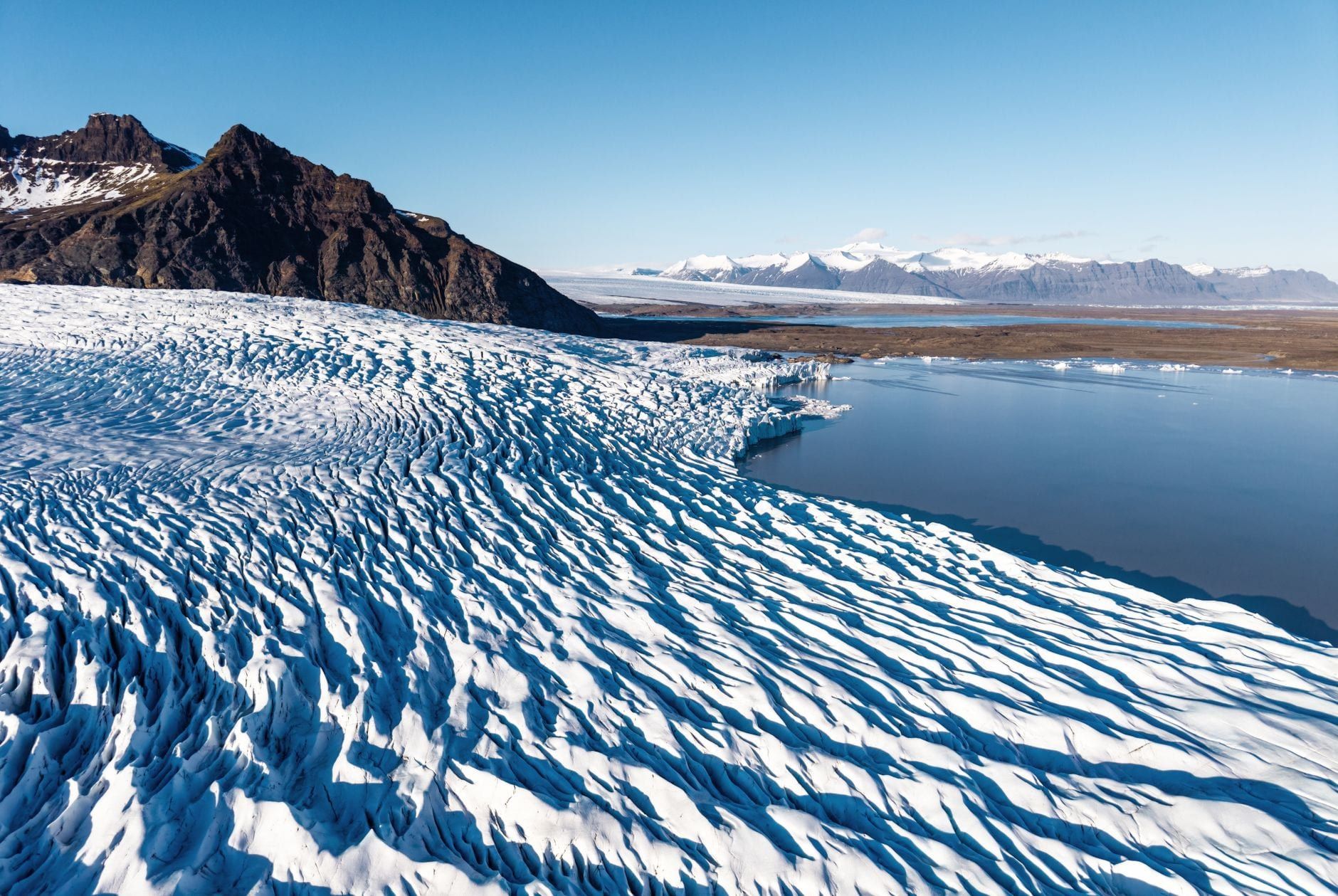
Iceland's largest ice cap buries active volcanic systems under up to 950 meters of solid ice. You can hike across its blue-white outlet glaciers with a roped guide, or watch seals rest on freshly calved icebergs floating in the Jökulsárlón lagoon.
Find Guided ToursVatnajökull is Iceland's largest ice cap, covering about eight percent of the country. It spans roughly 7,700 to 8,100 square kilometers across the southeast. The ice averages 380 meters thick, plunging to 950 meters in the deepest sections. That's about 3,000 cubic kilometers of solid ice. Outlet glaciers like Falljökull and Breiðamerkurjökull spill down from the central dome into the lowlands, feeding river systems and lagoons like Jökulsárlón.
Beneath the surface lies a volcanic plateau 600 to 800 meters above sea level. This terrain hides some of Iceland's most active subglacial volcanoes, including Grímsvötn, Bárðarbunga, and Öræfajökull. When they erupt, the heat triggers massive glacial outburst floods called jökulhlaup. The southern rim carries Iceland's highest peak, Hvannadalshnjúkur, which reaches 2,109.6 meters. This specific combination of active volcanism and glacial ice earned a UNESCO World Heritage designation on July 5, 2019.
The ice cap began to coalesce from smaller mountain glaciers 1,000 to 1,500 years ago. By the time settlers arrived around 874 AD, Vatnajökull had merged into a continuous sheet. It didn't stop there. The glacier reached its maximum extent during the Little Ice Age between 1450 and 1900, peaking again around 1930.
Since then, climate change has forced a steady retreat. Iceland established Vatnajökull National Park on June 7, 2008, to protect the area. It absorbed older reserves like Skaftafell and Jökulsárgljúfur. Today, the park encompasses 14,967 square kilometers — making it Europe's second-largest national park by area after Russia's Yugyd Va.
Discover the full history and cultural significance on our About page.
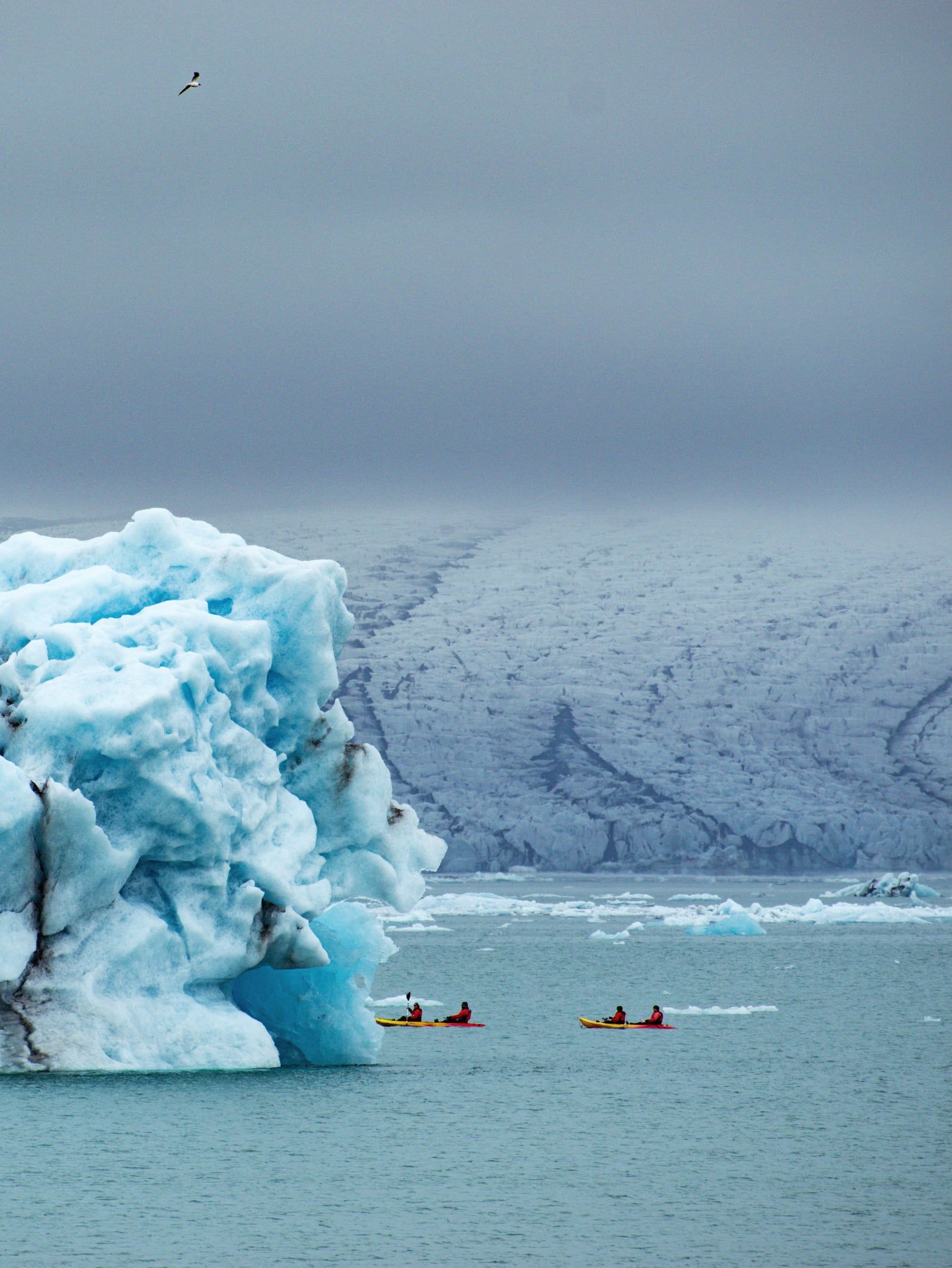
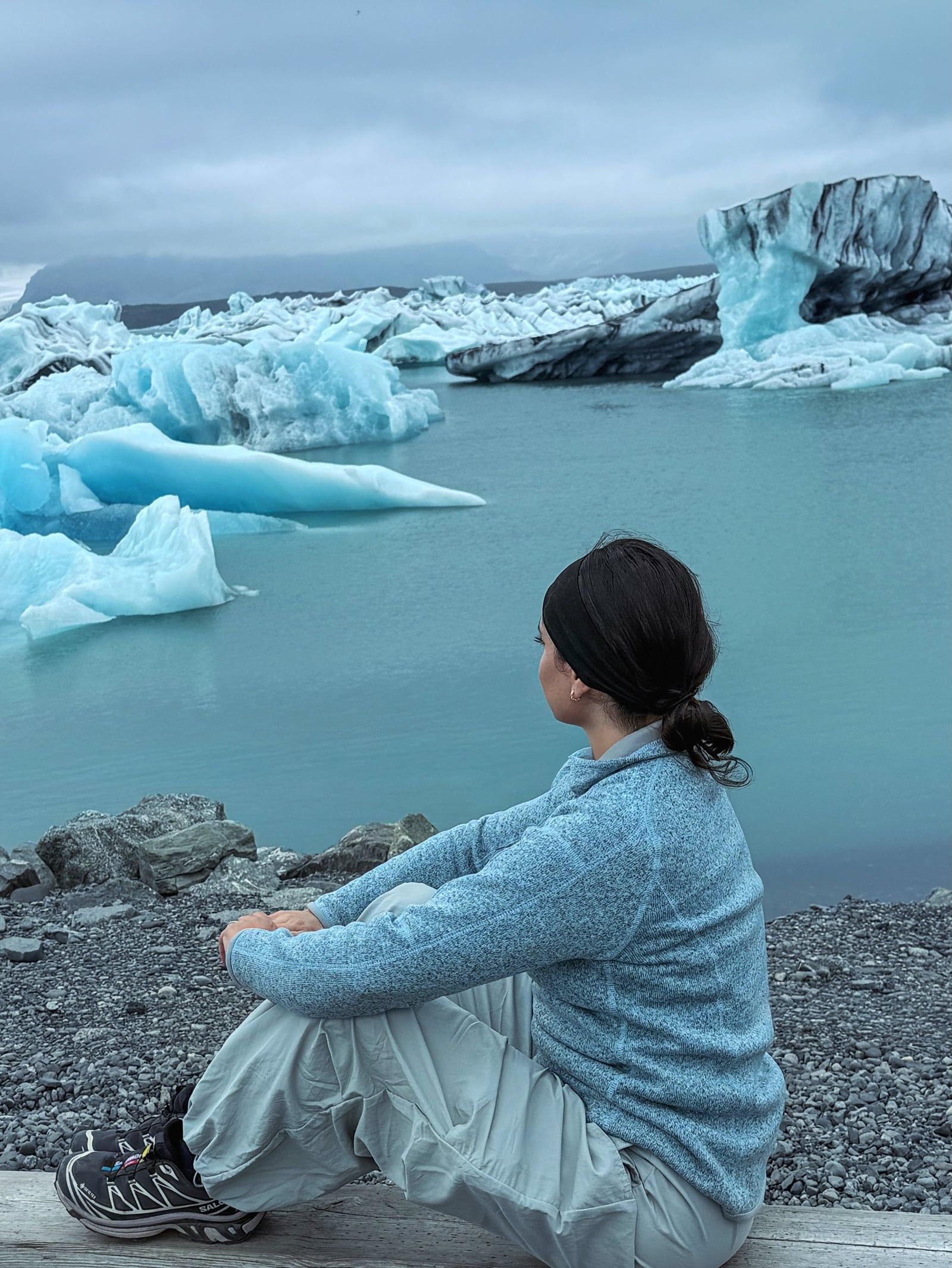
Board a zodiac or amphibian boat for a 40-minute ride across Jökulsárlón. You sail directly between luminous blue-white icebergs that recently broke off the Breiðamerkurjökull outlet glacier. Watch the floating ice. Seals often rest on the blocks before sliding into the freezing water.
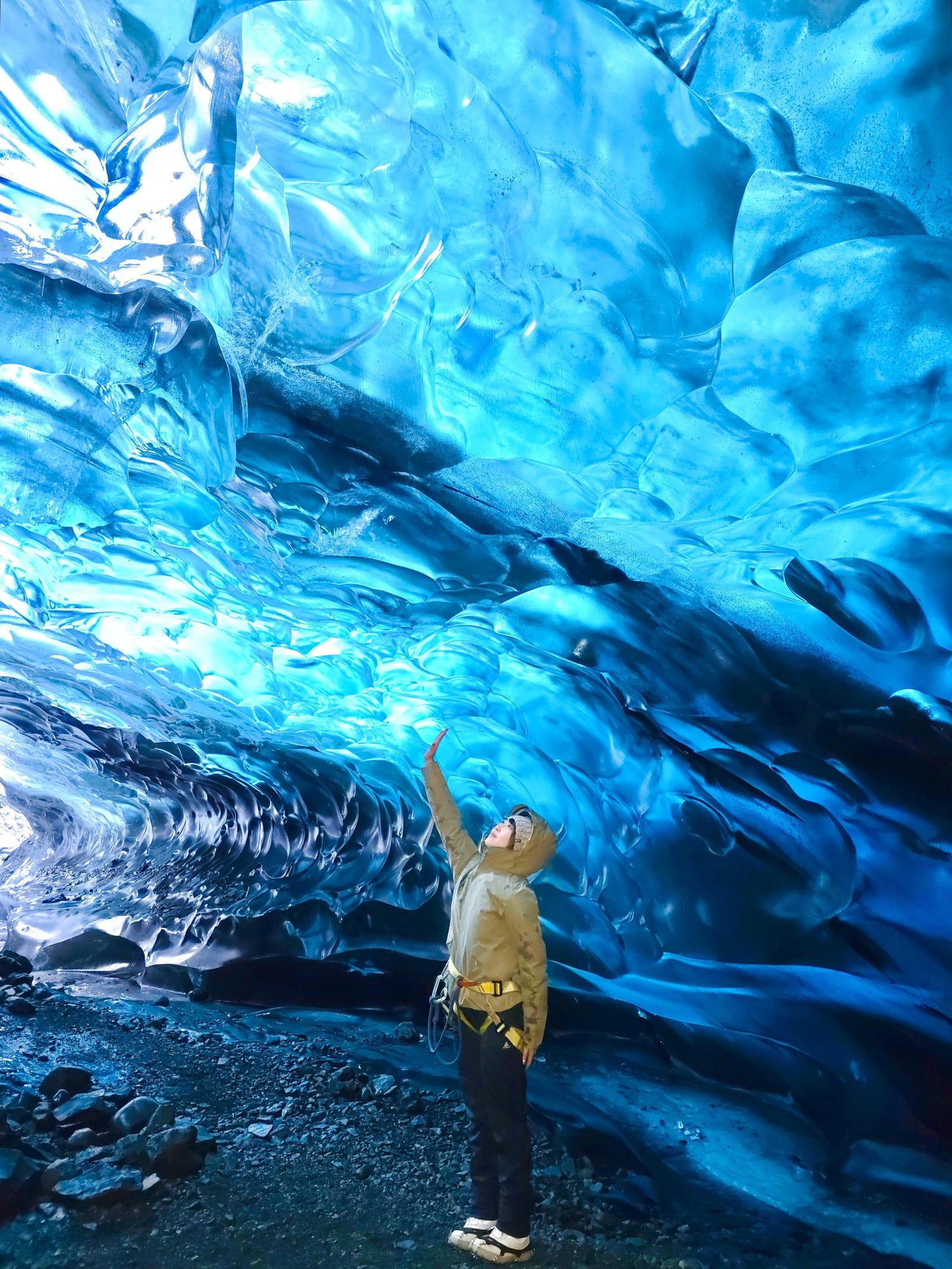
Between November and March, super jeeps carry small groups to caves carved by summer meltwater. Walking inside reveals ceilings of electric-blue ice striped with dark ash from past volcanic eruptions. Book a certified guide. The structures shift constantly, making independent entry dangerous.
A 1.5-kilometer uphill trail from the Skaftafellsstofa Visitor Centre leads to this drop. The water falls over a sheer wall of dark, hexagonal basalt columns. Go early. Starting the climb before the mid-day summer rush helps you dodge the tour bus crowds.
Right across Route 1 from the lagoon, heavy chunks of glacial ice wash ashore on black volcanic sand. The blocks glitter against the dark ground. Stay well back from the surf. The shore break here is unpredictable, and sudden waves have pulled people into the sea.
Book a tour starting at $106 that includes all required glacier gear and free cancellation up to 24 hours before departure.
Swipe to see more
 Free Cancellation 3h
 Free Cancellation 3h
 Free Cancellation 3h 30min
 Free Cancellation 2h 30min
 Free Cancellation 12h
 Free Cancellation 14h
 Free Cancellation 14h 30min
 Free Cancellation 14h
 Free Cancellation 3h 30min
 Free Cancellation 4h
 Free Cancellation 4h
 Free Cancellation 4h 30min
June to August provides 24-hour daylight and open highland roads. November through March is the only window for guided natural ice cave tours.
Unpredictable spring snowmelt creates muddy hiking trails across the park. Mountain roads stay closed during these months, restricting your access strictly to lowland sections like the Skaftafell area.
Expect the most reliable weather and nearly 24 hours of daylight. Highland roads clear of snow, allowing full access to interior hiking trails and Skaftafell's waterfalls.
Visitor center hours shorten. Highland routes close, and the natural ice caves inside Vatnajökull's outlet glaciers are not yet structurally stable enough to safely enter.
This is the exact window for natural ice cave tours. Deep winter between December and February brings structurally stable caves, but icy roads and frequent storms often cancel trips.
Vatnajökull National Park stays open 24 hours a day, year-round. You can hike the lowland trails or walk the Jökulsárlón shoreline at any time. Highland F-roads only clear of snow in June or July. Visitor centres operate on seasonal schedules. Skaftafellsstofa opens daily at 9:00 from March through November, and 10:00 in winter. Closing times stretch to 19:00 in summer (June to August), scale back to 18:00 in September and October, and drop to 17:00 during the rest of the year.
| Category | Price |
|---|---|
| Park Entry | Free |
| Motorcycle Parking | 450 ISK |
| Passenger Car (≤5 seats) Parking | 1,110 ISK |
| Car (6-9 seats) Parking | 1,440 ISK |
| Bus (10-21 seats) Parking | 2,770 ISK |
| Bus (22-32 seats) Parking | 5,200 ISK |
| Bus (33+ seats) Parking | 9,400 ISK |
Entry to the park is free. The fees above only apply to parking at the Skaftafell and Jökulsárlón service areas. Passes remain valid until midnight. You can pay at the on-site kiosks or through the Parka app. If you plan to park at both Skaftafell and Jökulsárlón on the same day, pay the Skaftafell fee first via the app to get a 50% discount on the Jökulsárlón charge. Private glacier hikes and ice cave tours cost extra.
For complete schedules and ticket prices, visit our Hours & Fees page.
Most visitors reach the glacier's main access points by driving southeast from Reykjavík along Route 1. The 380-kilometer trip to Jökulsárlón takes about five hours, though many split the drive over two days to stop at waterfalls and beaches along the South Coast.
📍 Vatnajökull National Park, Southeast Iceland
Follow Route 1 directly southeast from Reykjavík. This paved highway traces the South Coast past Vík and the Skaftafell trailheads before reaching Jökulsárlón. The drive takes about five hours without breaks. Many travelers break the 380-kilometer trip into a two-day journey. An overnight stay near Vík or Höfn leaves plenty of time for roadside stops.
Strætó operates Route 51 and 52 from the BSÍ terminal in Reykjavík. The bus runs along the South Coast all the way to Höfn, dropping passengers right at Jökulsárlón. Service frequency is highly limited. You will often find just one departure per day. Check the schedules closely before you pack, especially outside the summer months.
Operators like Reykjavík Excursions run long single-day coach trips covering the 760-kilometer round trip from the capital. These packages bundle transport with a guide and stops at Skaftafell, Jökulsárlón, and Diamond Beach. Departures usually start early, often around 7 or 8 AM. Multi-day versions add glacier hikes and ice cave access to the itinerary.
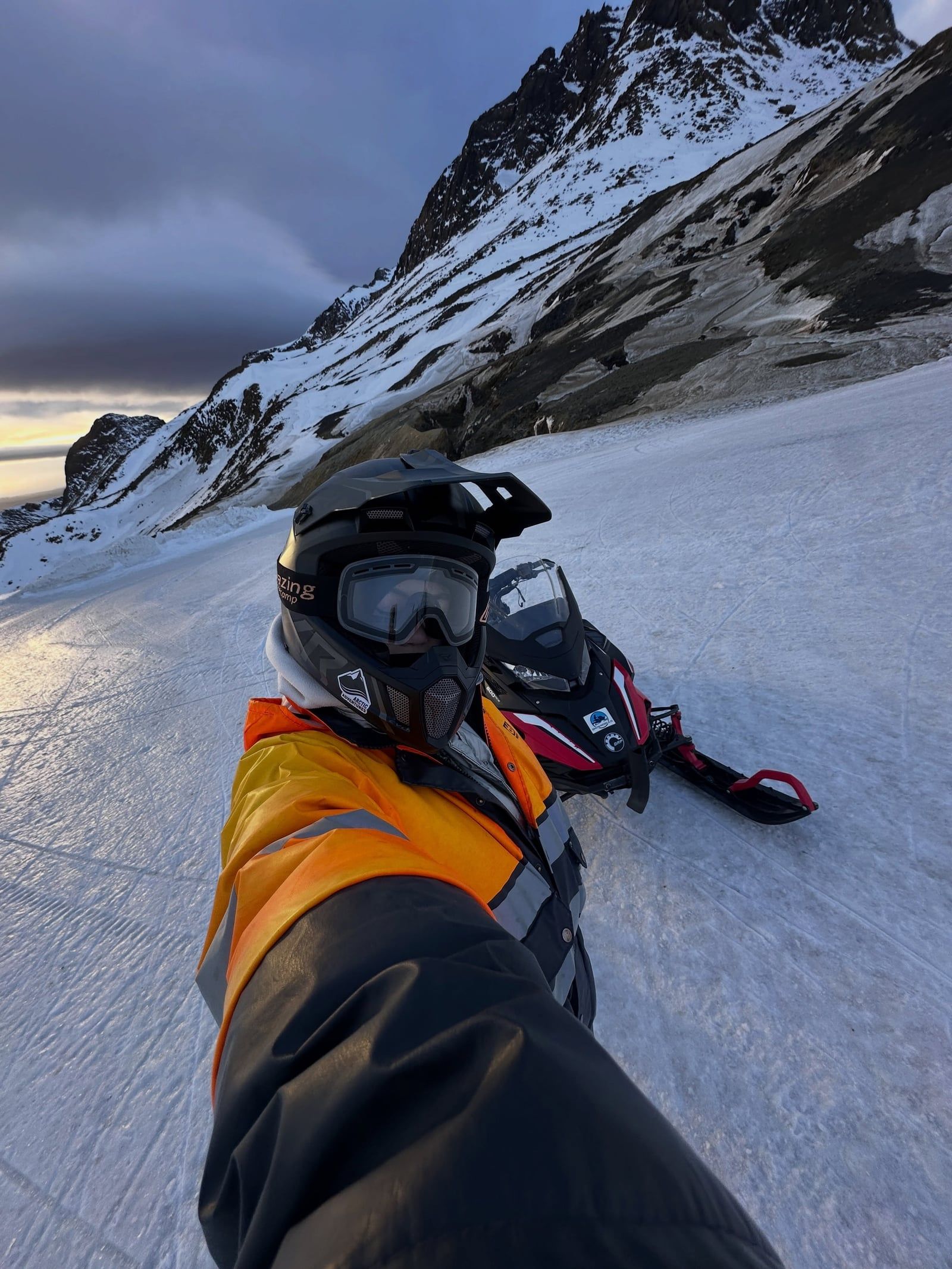
Regular rental cars cannot reach the glacier interior or the seasonal ice caves. Licensed operators use modified super jeeps or snowmobiles to navigate the rugged access roads. These specialized transfers depart from meeting points near Skaftafell, Höfn, or Jökulsárlón. You need one to reach start points for glacier hikes or the winter Crystal Ice Cave.
For detailed transport options and routes, visit our Directions page.
Pay the 1,110 ISK fee at Skaftafell first if you plan to visit Jökulsárlón the same day. Using the Parka app for same-day payment cuts the Jökulsárlón regional fee in half. The pass covers your vehicle until midnight.
Natural blue ice caves only open from November to March. December through February has the most stable ice structures. Book your guided tour several weeks in advance during this peak window. Weather cancellations happen frequently, so early booking gives you room to reschedule.
The 1.5-kilometer uphill trail to Svartifoss gets crowded with tour bus groups. Start your walk from the Skaftafellsstofa Visitor Centre early in the morning or late in the afternoon during summer. You'll get a quieter view of the dark hexagonal basalt columns.
Don't stand on the stranded ice blocks at Diamond Beach or near the Jökulsárlón waterline. They can suddenly flip or break apart without warning. The shore break has an unpredictable pull, and rogue waves have swept visitors into the freezing sea.
You can't fly drones in most of Skaftafell. At Jökulsárlón, flights are completely banned from April 15 to July 15 to protect nesting birds. During the rest of the summer, you must fly outside the restricted 9:00 to 18:00 window.
Escape the heavy crowds at Jökulsárlón by driving 15 minutes southwest to Fjallsárlón. This smaller iceberg lagoon sits right at the foot of Fjallsjökull. Boat tours here get you much closer to the actual glacier face.
Chunks of glacial ice wash ashore on this black volcanic sand beach. The frozen blocks glitter against the dark shoreline, making it an excellent stop at sunrise or sunset.
This smaller lagoon sits right at the foot of the Fjallsjökull glacier. It draws fewer crowds than Jökulsárlón, and boat tours get you closer to the actual ice face.
A small fishing town known as Iceland's lobster capital. It works well as an overnight base for eastern glacier trips, offering restaurants, hotels, and direct views of the ice cap.
Read what travelers share about their experience visiting Vatnajökull Glacier — from practical tips to personal highlights.
Planning advice, comparisons, and practical tips.
Guides use the name Crystal Ice Cave for whichever safe formation they're currently running tours through inside Breiðamerkurjökull, an outlet…
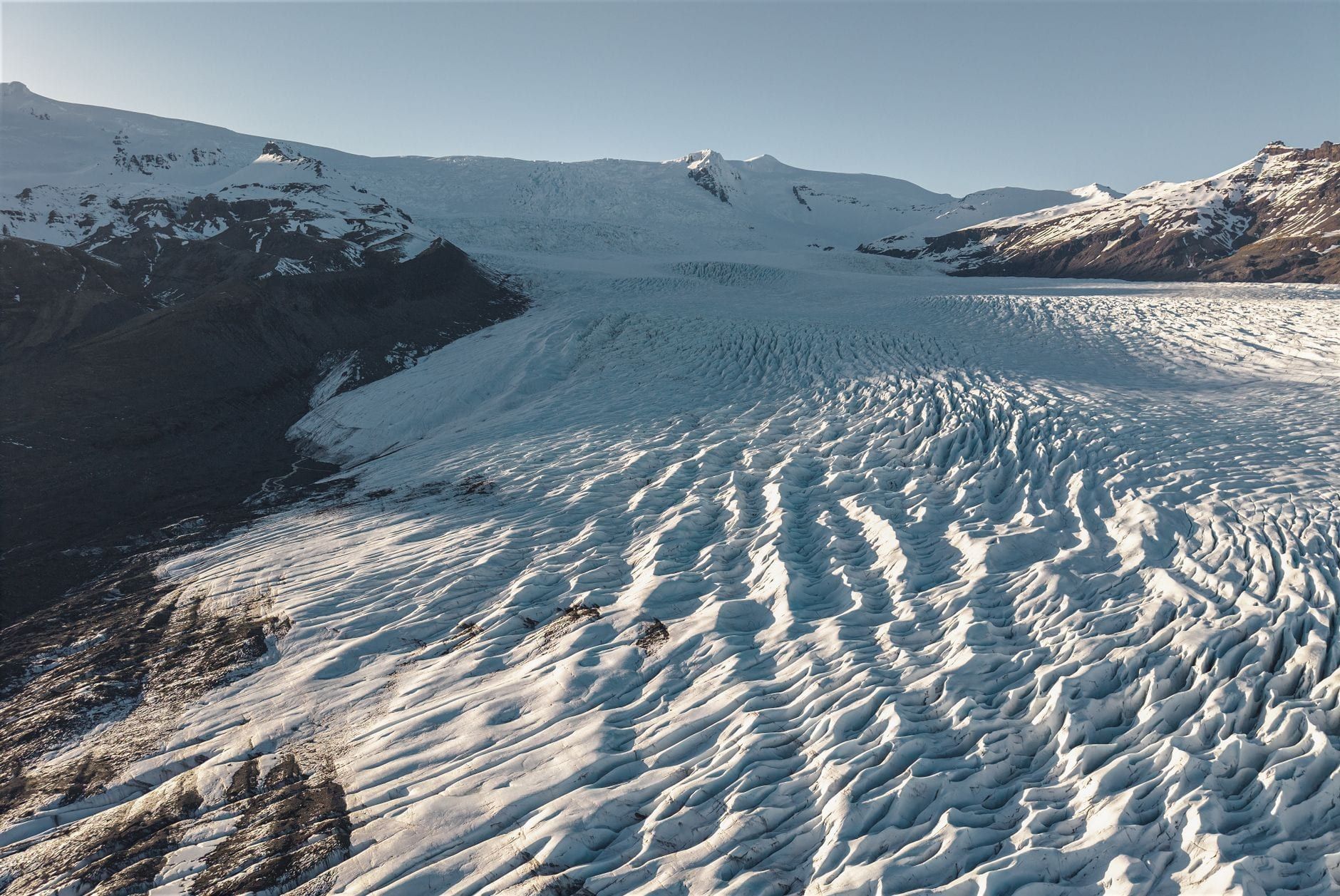
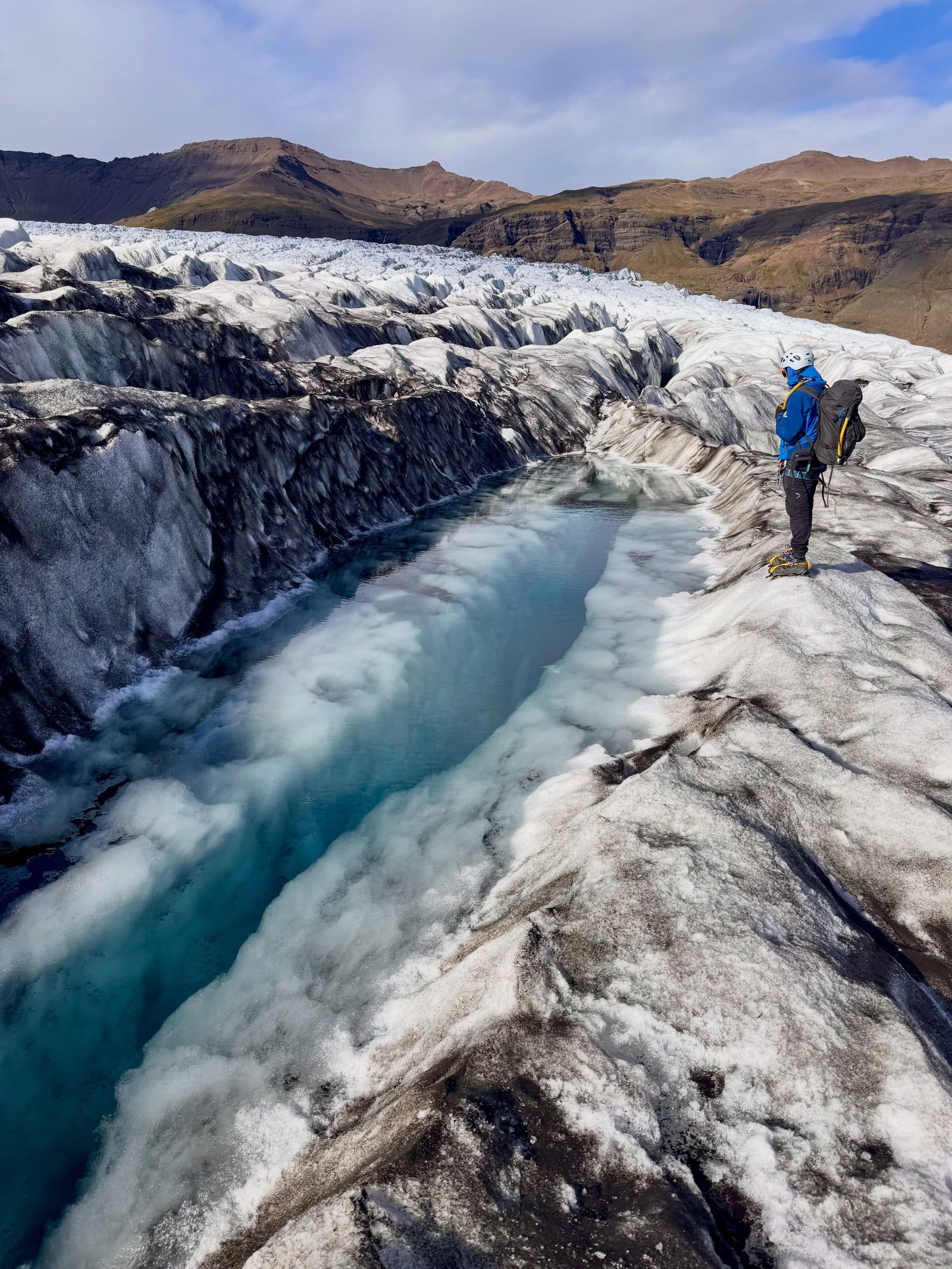
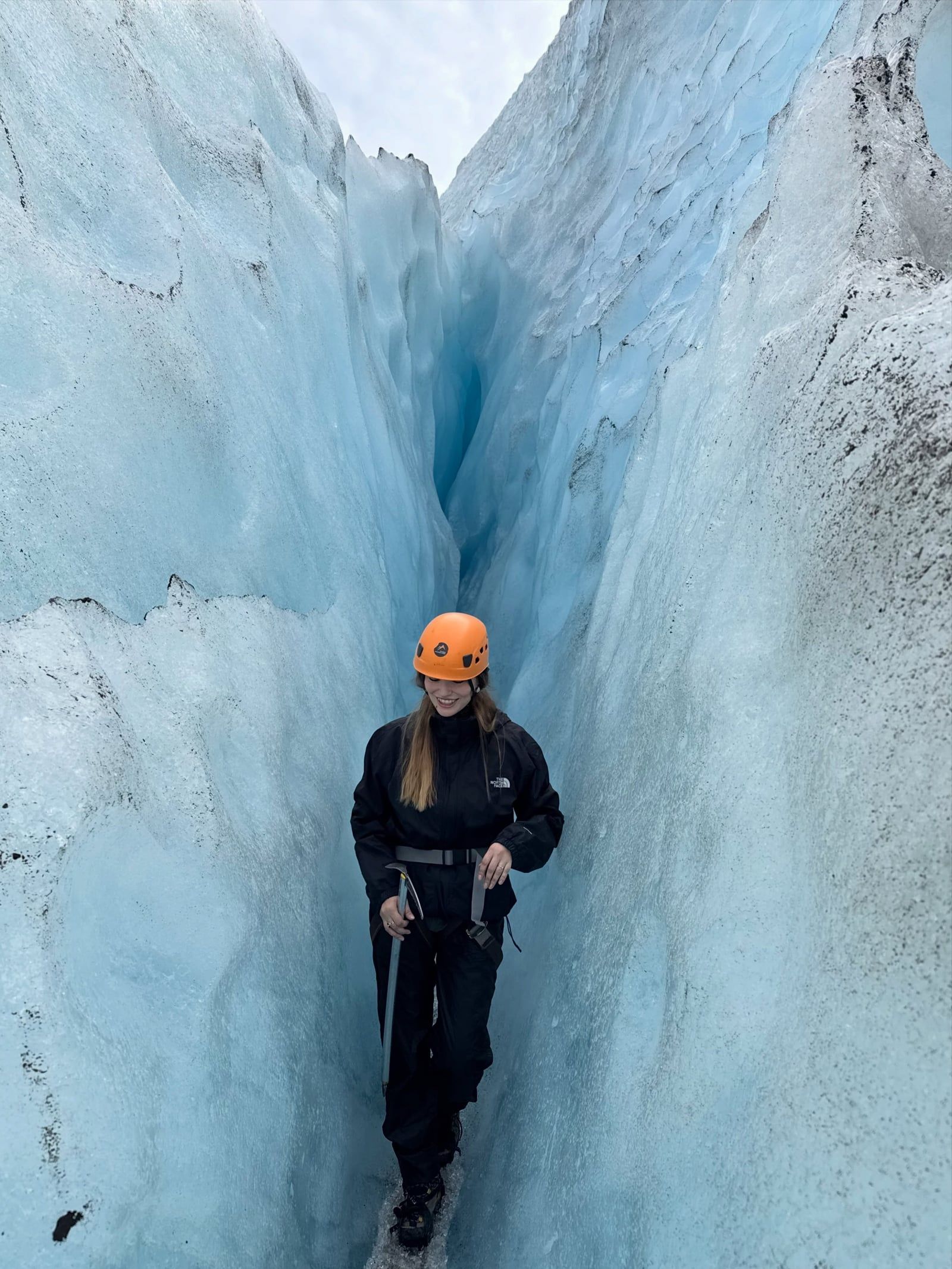
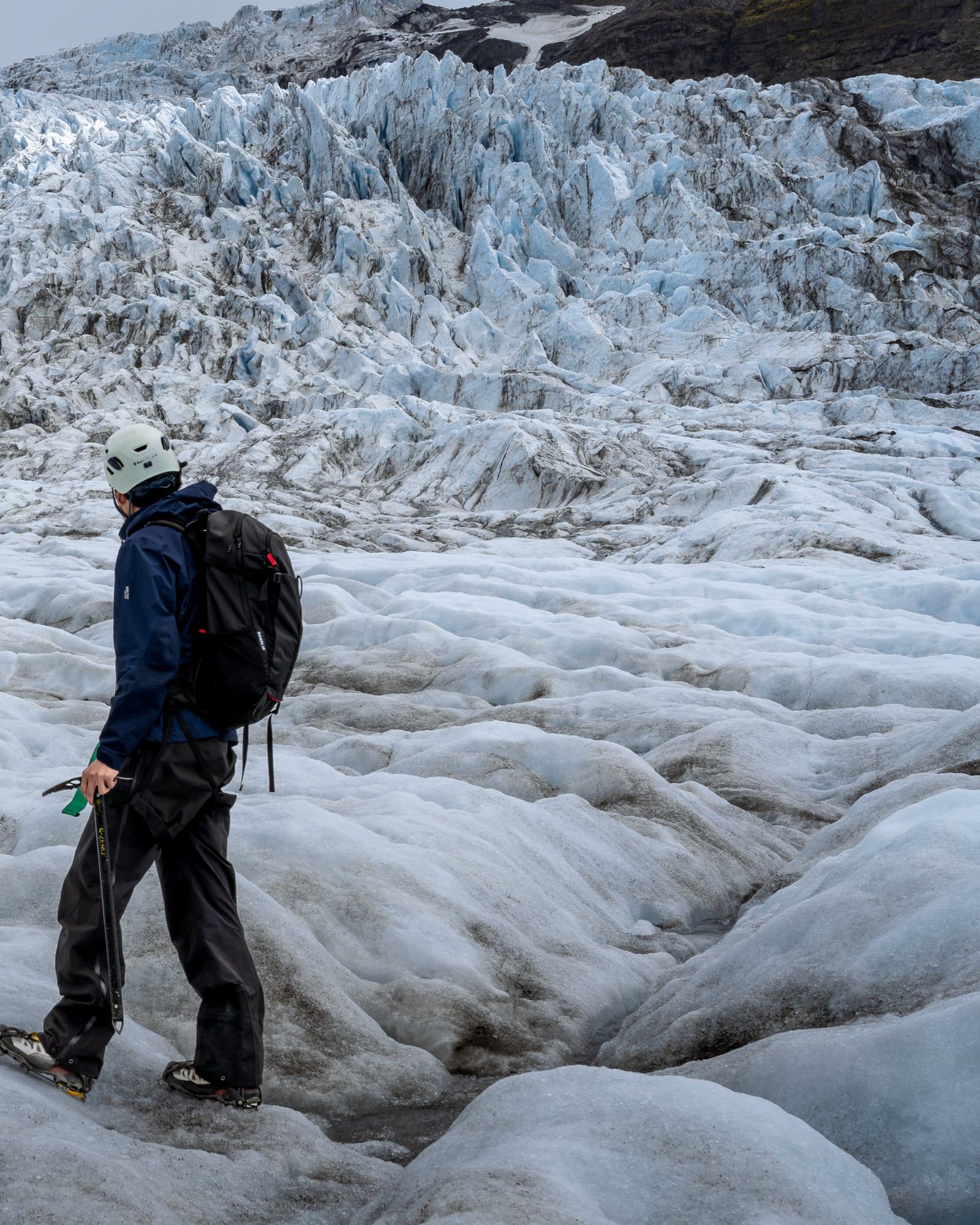
A guided walk across the ice with crampons strapped to your boots, roped to a certified guide, weaving between crevasses and blue-tinted seracs —…
Entry to the park is free. You only pay for parking at Skaftafell and Jökulsárlón, which costs 1,110 ISK for a standard 5-seat car and lasts until midnight. Private guided glacier or ice cave tours are booked separately.
Driving to Jökulsárlón Glacier Lagoon on the park's eastern edge takes about 5 hours. The route covers 380 kilometers along Route 1. Many drivers split this trip over two days, stopping overnight near Vík or Höfn.
Natural blue ice caves open from November through March. December to February offers the most stable conditions for these structures. Book your guided tour several weeks in advance during this peak winter window.
You cannot walk on the ice or enter the caves without a certified guide. Hidden crevasses and shifting meltwater channels make unescorted glacier travel extremely dangerous.
Wear waterproof outer layers and sturdy hiking boots year-round. Your tour operator supplies the technical safety gear, including crampons, helmets, and harnesses.
Main visitor centres like Skaftafellsstofa have paved approaches and accessible facilities. Beyond that, the rugged volcanic terrain and unpaved trails limit extensive wheelchair access. Specialist operators do offer accessible guided tours for travelers with mobility needs.
A standard stop to hike the 1.5-kilometer uphill trail to Svartifoss waterfall takes 2 to 3 hours. If you add a guided glacier walk on Falljökull, plan for a half or full day.
Drones are banned in most of Skaftafell. At Jökulsárlón, you cannot fly them between April 15 and July 15 to protect nesting birds. Summer flights at the lagoon face further time-of-day restrictions, generally prohibited outside 9:00 to 18:00.
Browse verified tours with free cancellation and instant confirmation.
Find Tours